What is a Tabletop Exercise? (And Why Your Team Needs One Before a Real Incident)
Learn how tabletop exercises help organizations test their incident response capabilities through simulated crisis scenarios without real-world consequences.
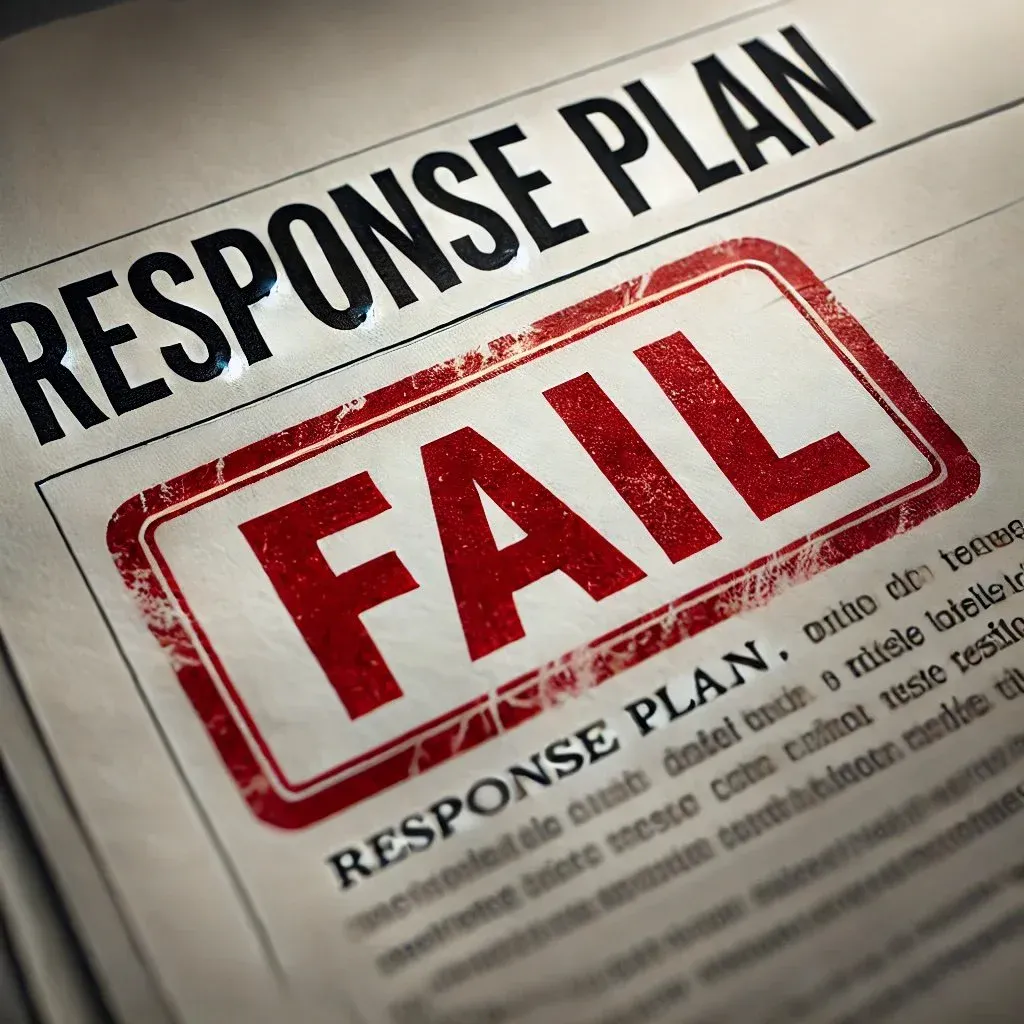
It’s 3 AM. Your phone buzzes with an alert: ransomware has been detected on your network. Customer data may be compromised. Your team is scrambling. The CEO is asking what’s happening. Legal wants to know your notification obligations.
Is this really how you want to discover the gaps in your incident response plan?
What Is a Tabletop Exercise?
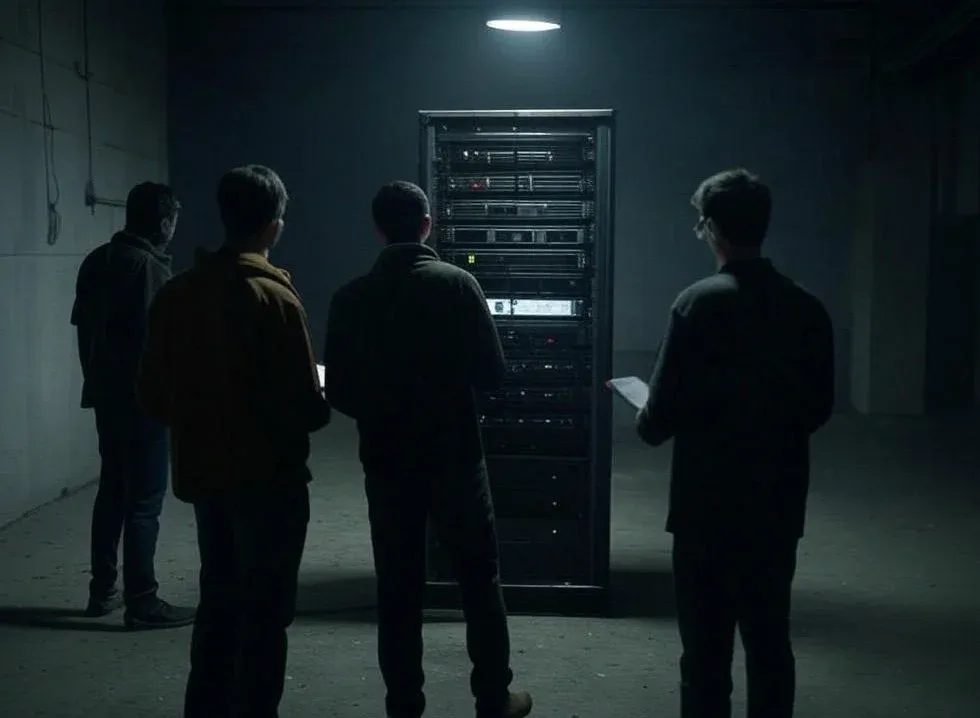
A tabletop exercise is a simulated crisis scenario where your team walks through its response to a potential incident. Think of it as a fire drill for your cybersecurity team: you test your response procedures without real-world consequences.
Unlike technical penetration testing, tabletop exercises focus on people and processes: communication chains, decision-making authority, coordination between teams, and the practical challenges of executing your incident response plan under pressure.
Common Scenarios
Ransomware Attack
The scenario most organizations want to practice first. How would you respond if critical systems were encrypted? Who makes the decision about ransom payment? How do you communicate with customers?
Business Email Compromise
A fraudulent wire transfer request that appears to come from the CEO. How does finance verify requests? What happens when the fraud is discovered?
Major Service Outage
Your primary systems are offline. Customers can’t access services. How do you coordinate response, communicate externally, and prioritize recovery?
Data Breach Discovery
Evidence suggests customer data was exfiltrated. What are your legal notification requirements? How do you investigate while preserving evidence?
Our Approach
Tailored Scenarios
We develop scenarios relevant to your industry, technology stack, and risk profile. A healthcare organization practices different scenarios than a manufacturing company.
Discovery Phase
Before the exercise, we analyze your existing policies, procedures, and team structure. This helps us design scenarios that test your actual capabilities, not hypothetical ones.
Inclusive Participation
Effective incident response involves more than IT. We include executives, legal, communications, HR, and business unit leaders. Everyone has a role when things go wrong.
Flexible Formatting
Some organizations benefit from separate sessions for technical teams and leadership. Others prefer combined exercises. We adapt to your culture and needs.
Realistic Timeframe
Exercises typically run half-day to full-day, with time for scenario progression, team discussion, and real-time adjustments as the crisis evolves.
Collaborative Development
We work with you to refine scenarios before execution, ensuring they’re challenging but realistic.
What You’ll Gain
Improved Team Collaboration
People who’ve worked through a simulated crisis together work better during real incidents. They know who to call, what to expect, and how decisions get made.
Proactive Control Improvements
Exercises consistently reveal gaps that aren’t apparent on paper. Maybe your backup contacts are outdated. Maybe legal and IT have different understandings of notification requirements.
Refined Policies and Procedures
Nothing tests documentation like trying to use it. Exercises reveal where procedures are unclear, outdated, or simply unworkable.
Increased Team Confidence
When the real incident occurs (and it will) your team has practiced. They’ve seen something like this before. That experience reduces panic and improves outcomes.
What You’ll Receive
Our post-exercise report includes:
- Positive observations - What worked well and should be maintained
- Improvement areas - Gaps identified during the exercise with specific examples
- Prioritized recommendations - Actionable steps to improve readiness, organized by impact and effort
How Often Should You Exercise?
Most organizations should conduct tabletop exercises at least annually. Consider more frequent exercises when:
- Your team has significant turnover
- You’ve experienced actual incidents
- Regulatory requirements mandate practice
- Your technology environment has changed substantially
- You’re preparing for new compliance certifications
A Low-Cost, High-Value Investment
Tabletop exercises require minimal technical resources: no systems at risk, no complex test environments. The primary investment is time from key personnel. The return is dramatically improved readiness when incidents occur.
Organizations that practice incident response consistently handle real incidents better: faster containment, better communication, reduced business impact, and lower recovery costs.
Ready to test your incident response capabilities? Contact Breach Craft to discuss a tabletop exercise tailored to your organization.